Bunkers del Carmel, then and now
At the top of the Turó de la Rovira, in the El Carmel neighbourhood, are the remains of what everyone calls the Bunkers del Carmel. In fact, there was never a bunker here: it’s a Spanish Civil War anti-aircraft battery, built in 1937, with four guns to defend the city against bombing by the fascist air force. Along with the battery at Sant Pere Màrtir, it was one of the defences guarding Barcelona from the high ground.
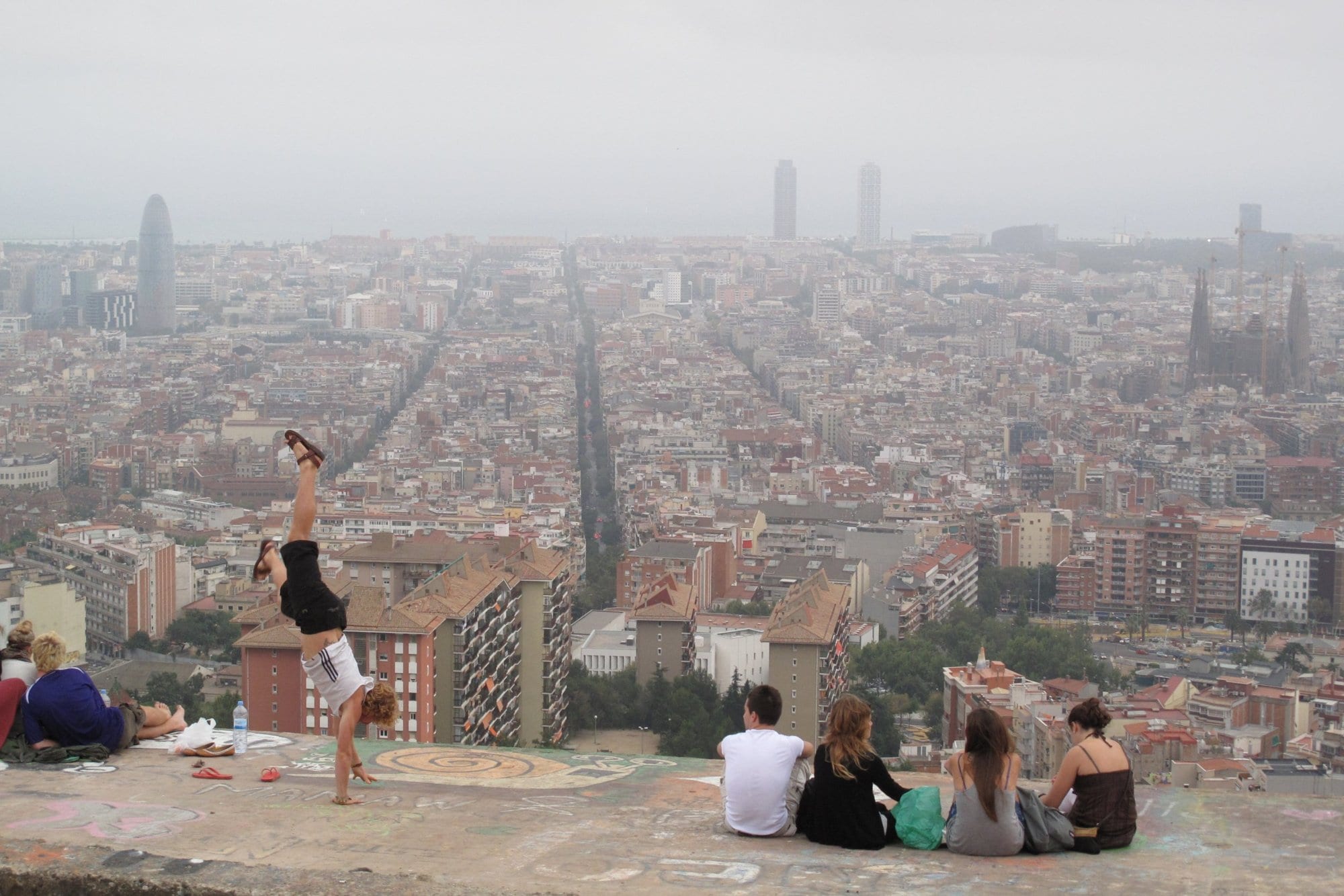
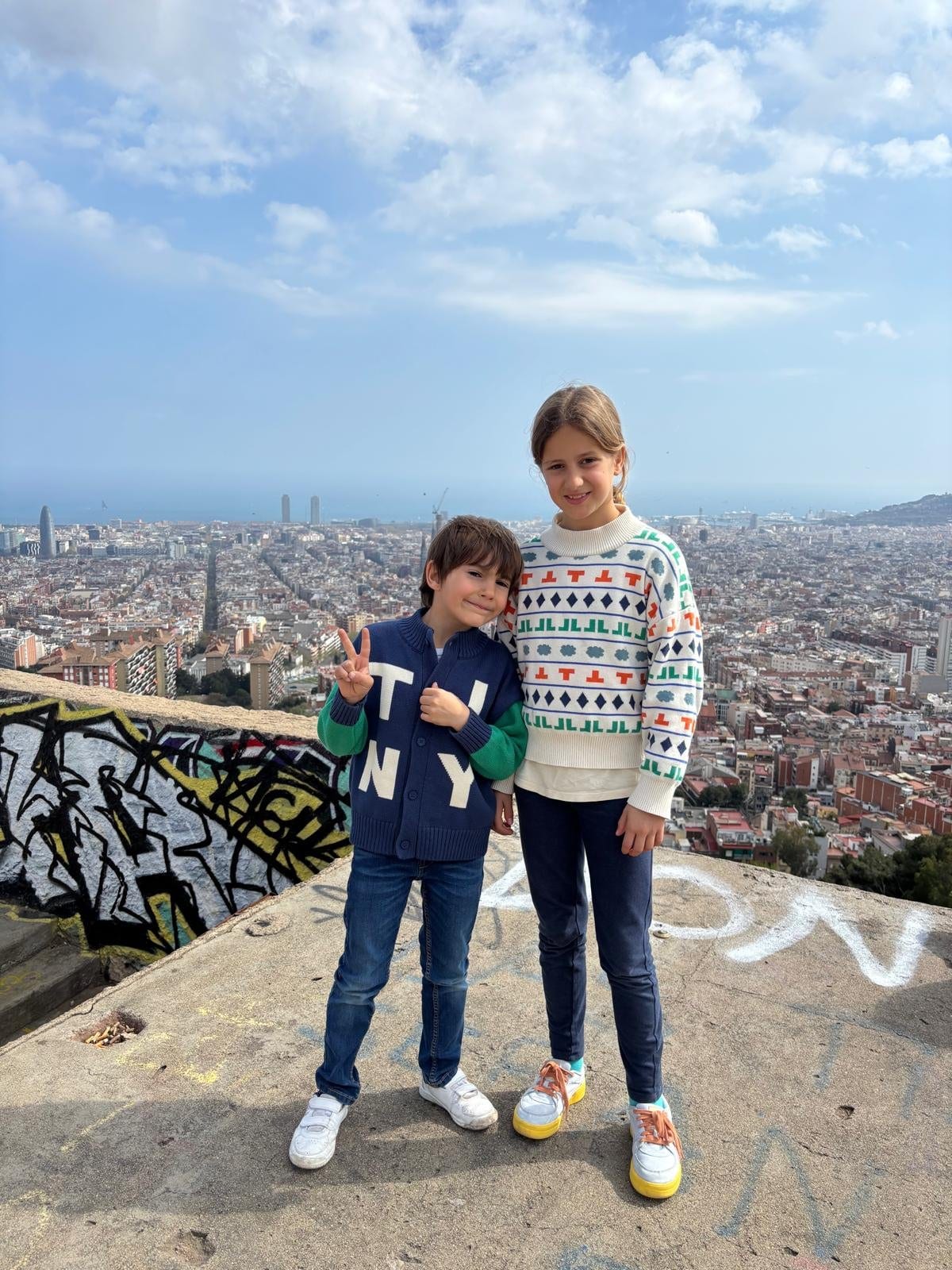
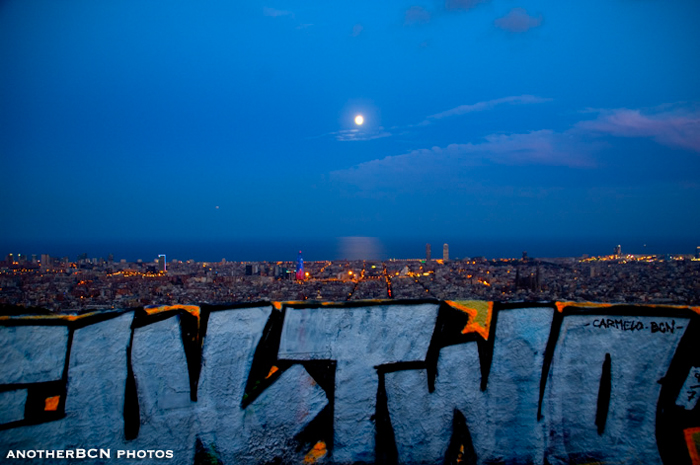
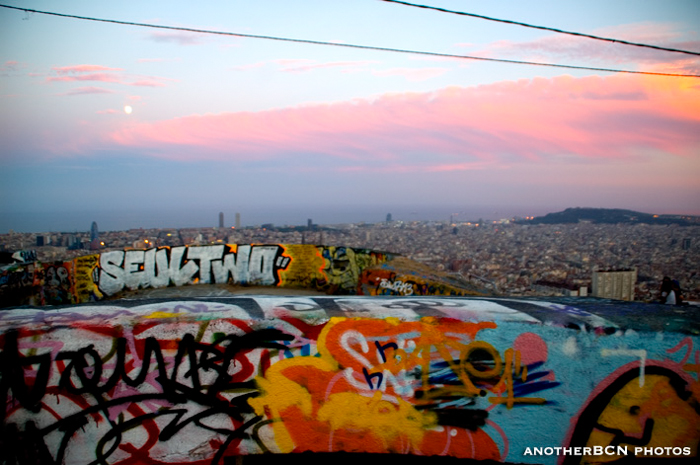
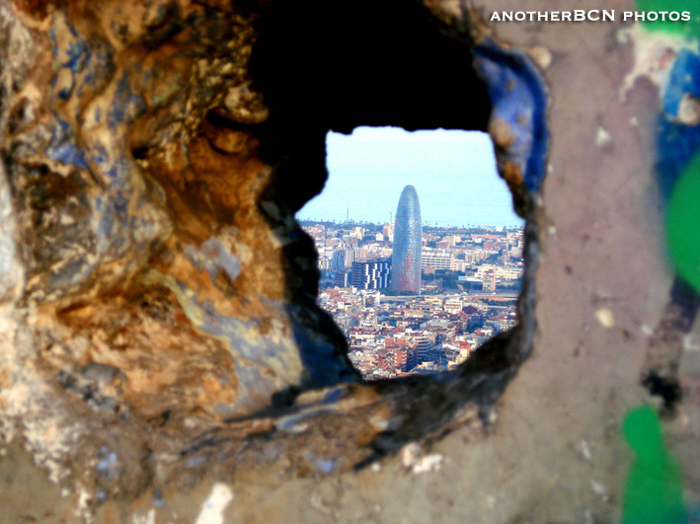
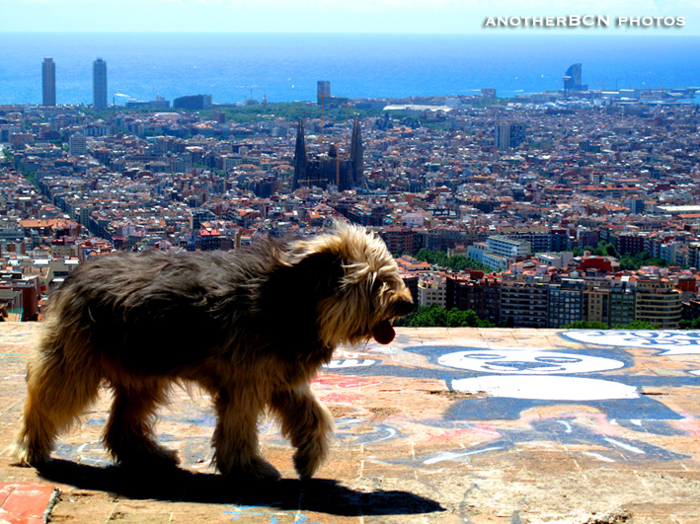
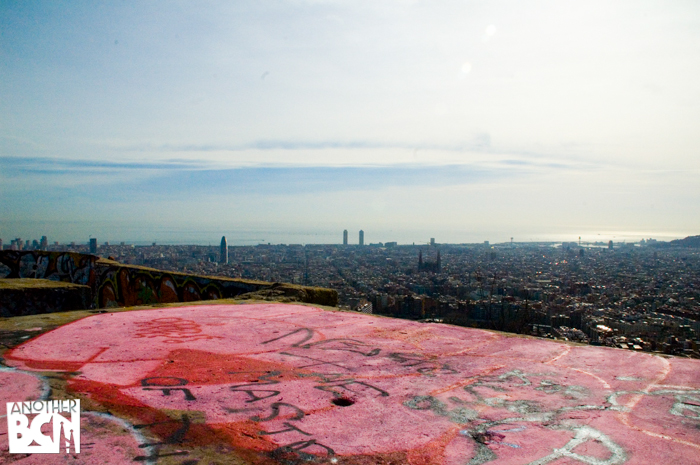
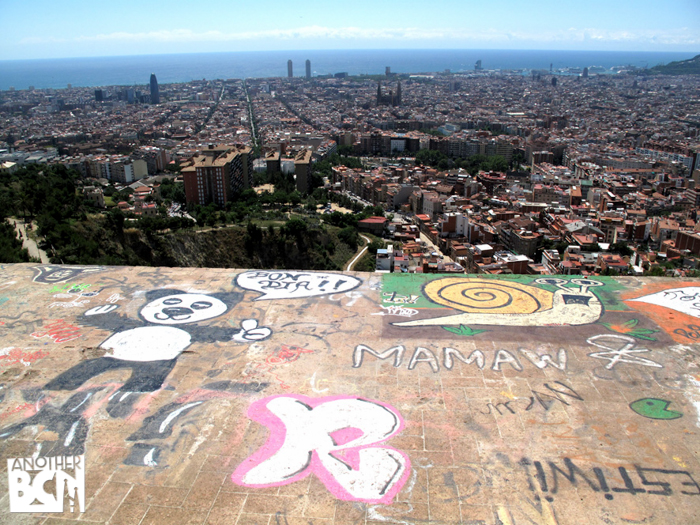
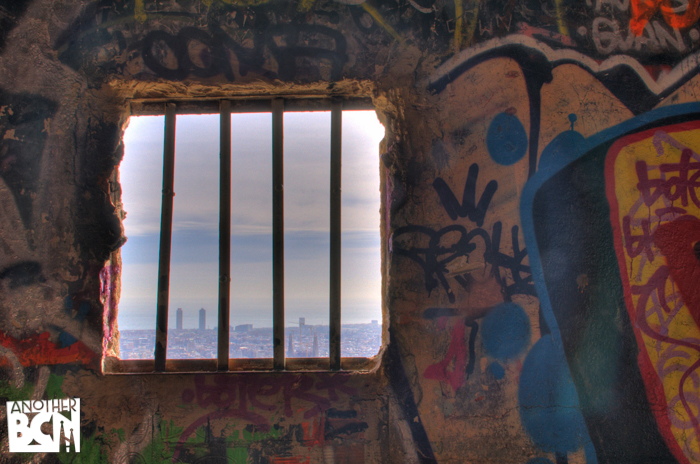
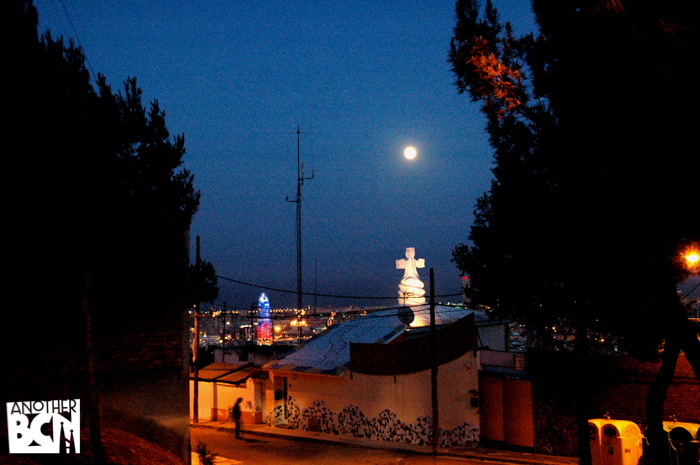
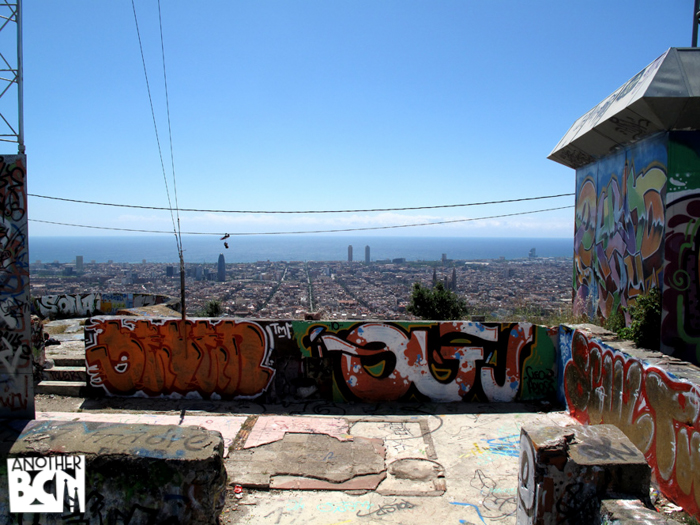
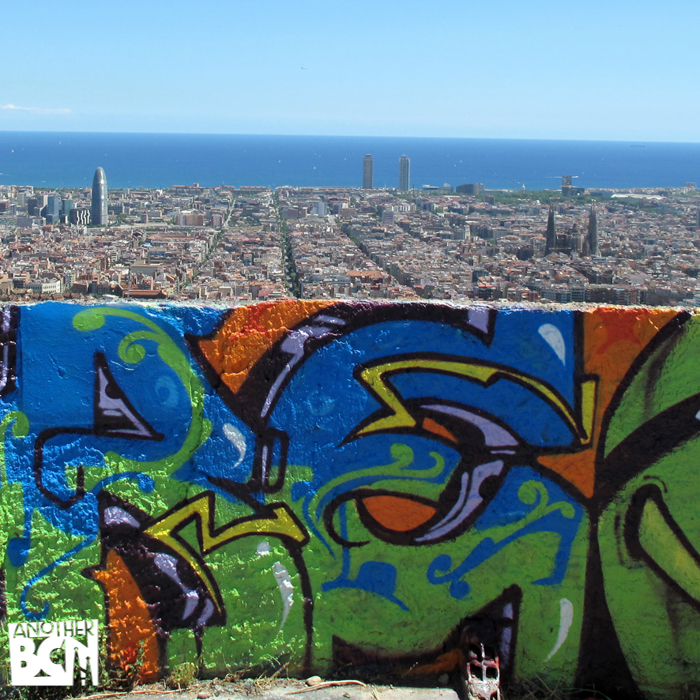
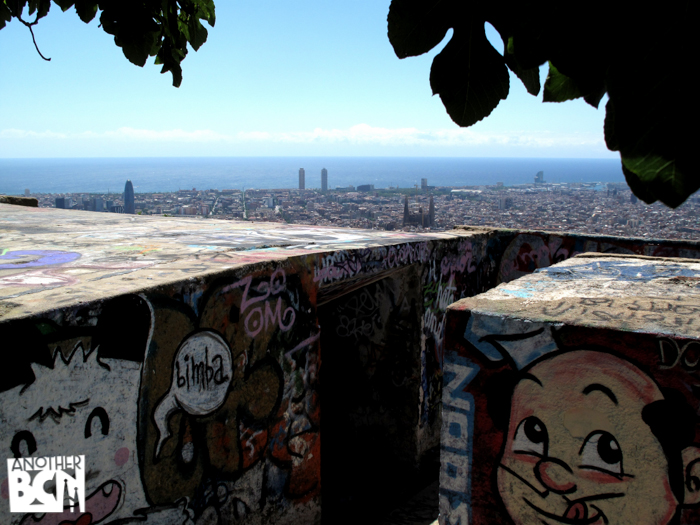
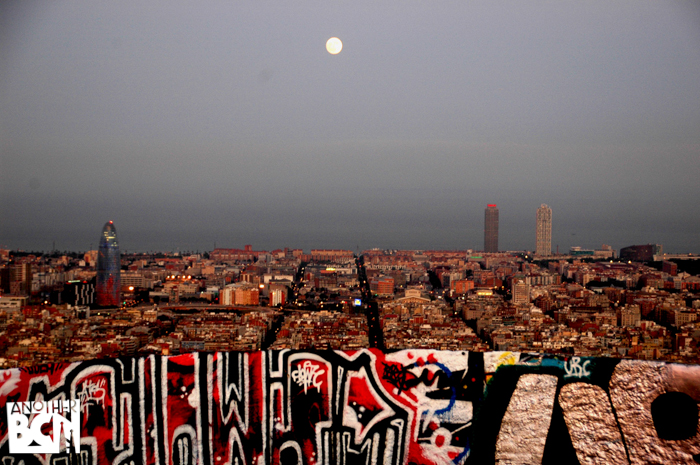
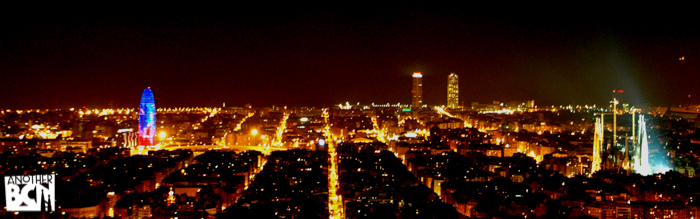
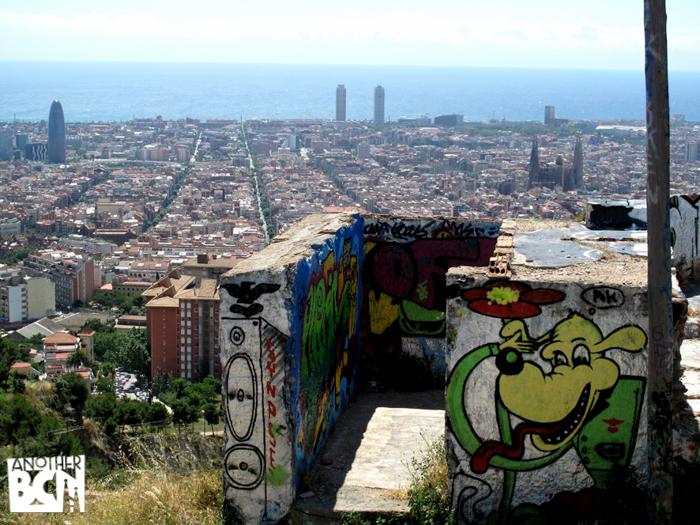
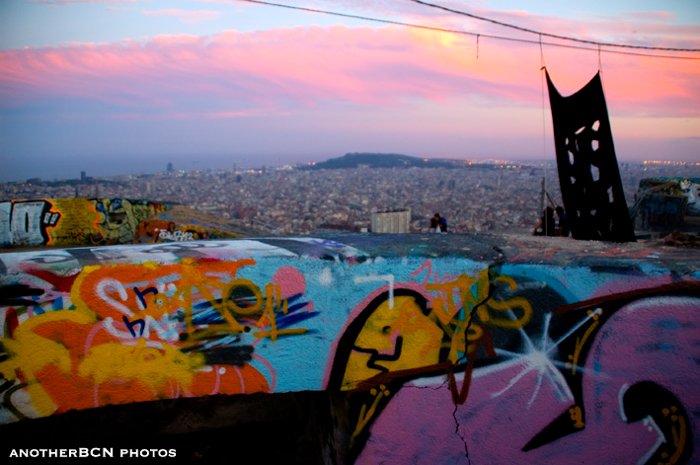
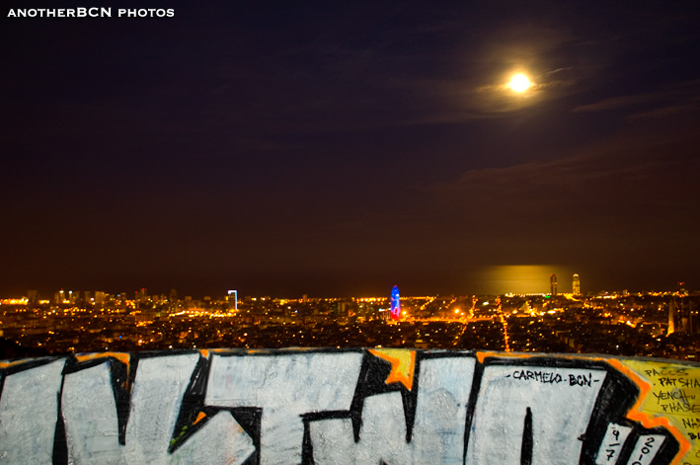
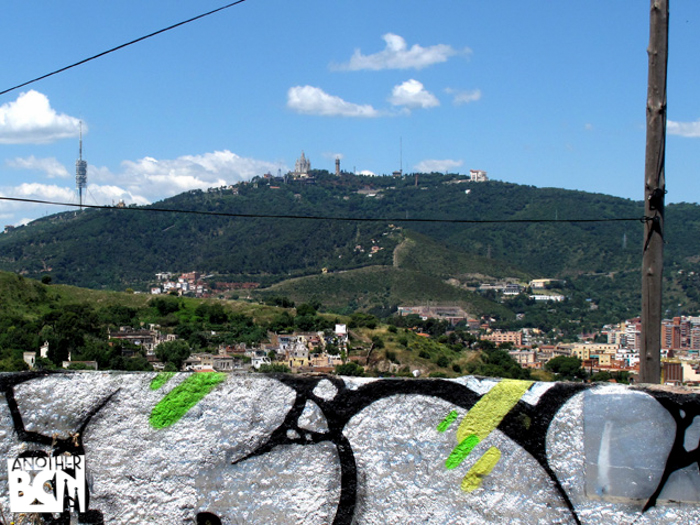
The most striking thing about the place is that from the edge of what’s left of the battery, a kind of stage for showing off the city, you get a 360-degree view of Barcelona.
What it was like in 2010
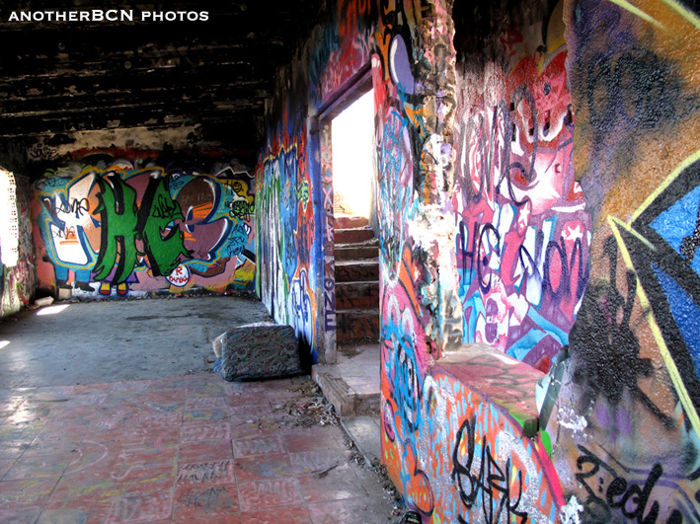
Before the redevelopment I went up many times, with all sorts of people, to show them this spot I’d fallen in love with. I took friends from abroad and friends from Barcelona: it was a little-known place and truly mind-blowing, because of its history, its views and the state it was in. Reaching the top felt like arriving somewhere magical, where past and present clashed. It was one of my favourite places.
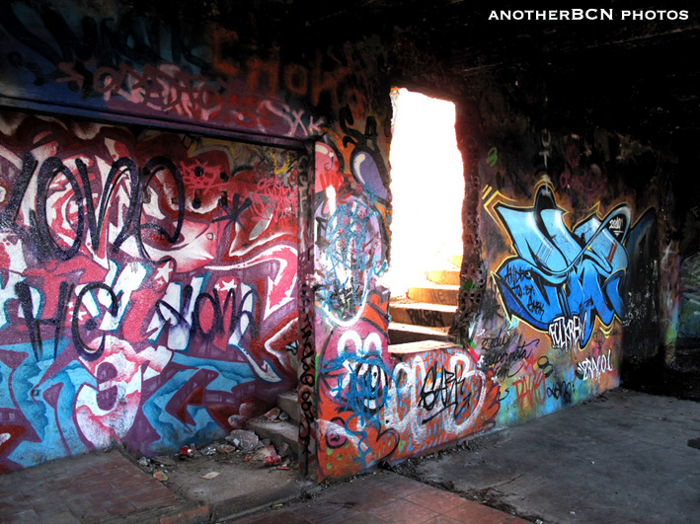
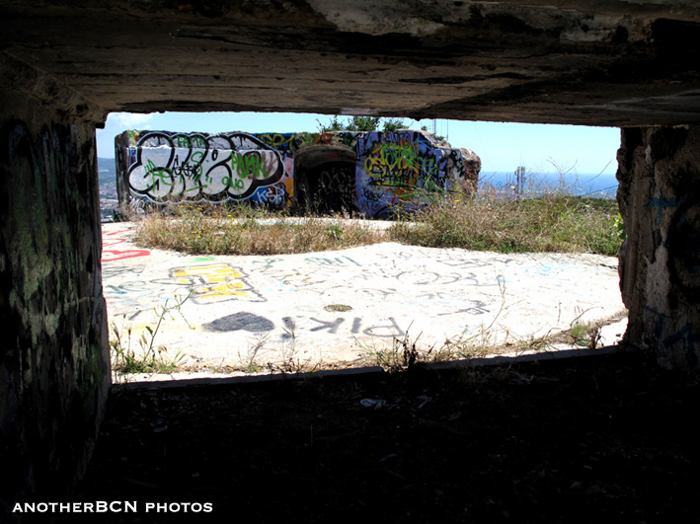
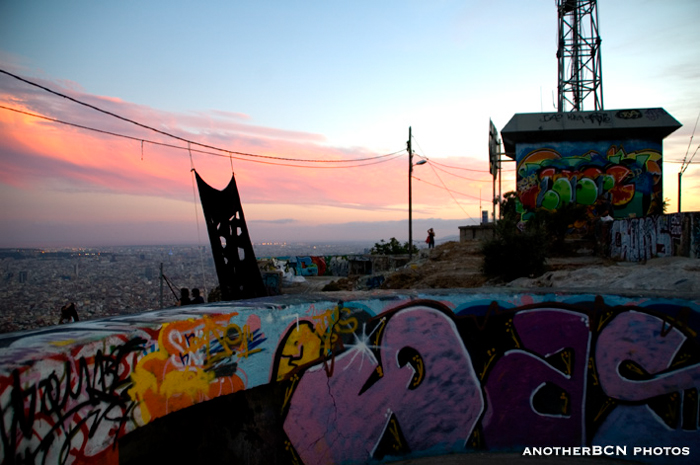
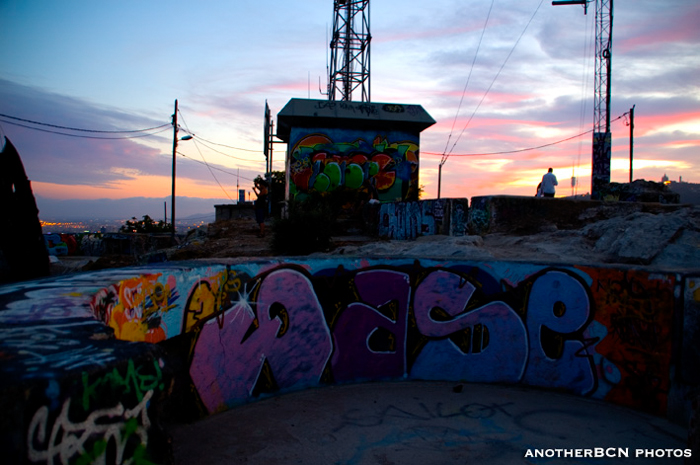
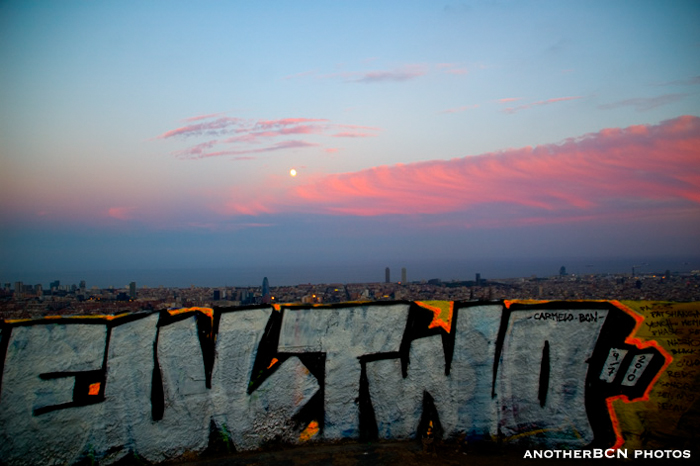
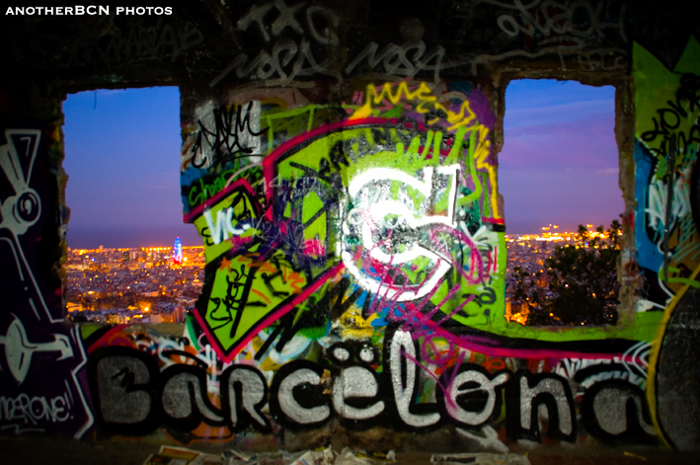
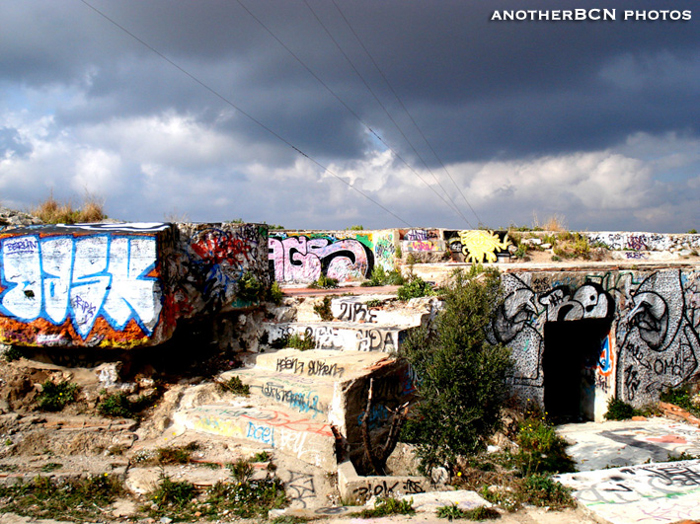
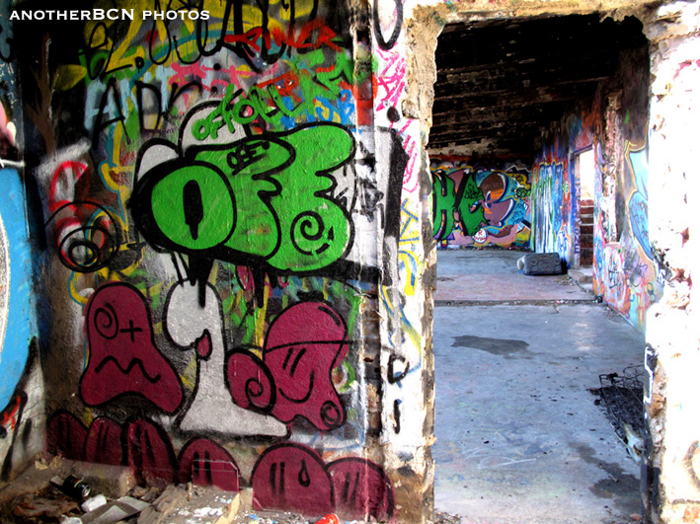
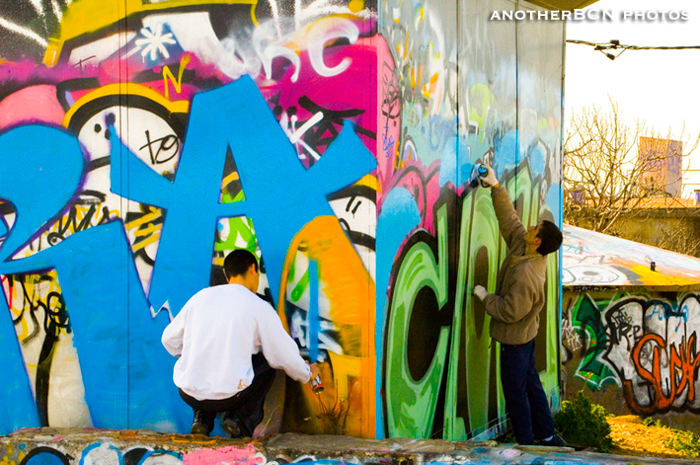
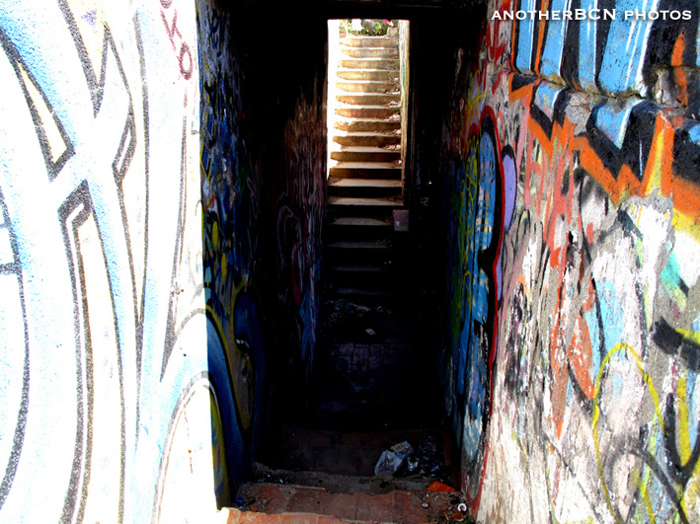
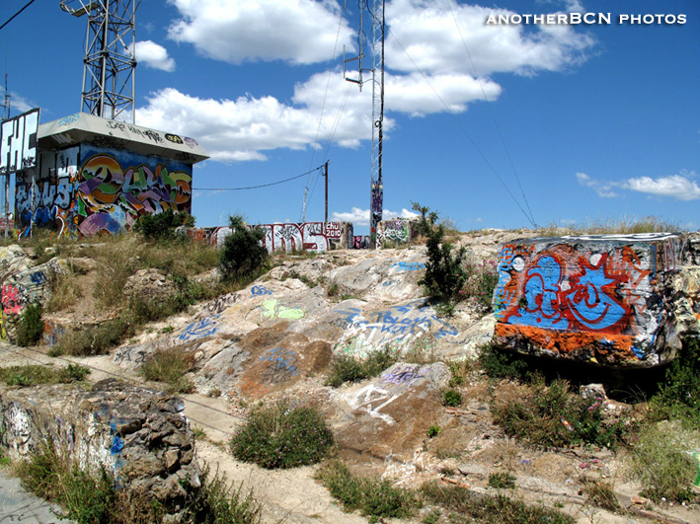
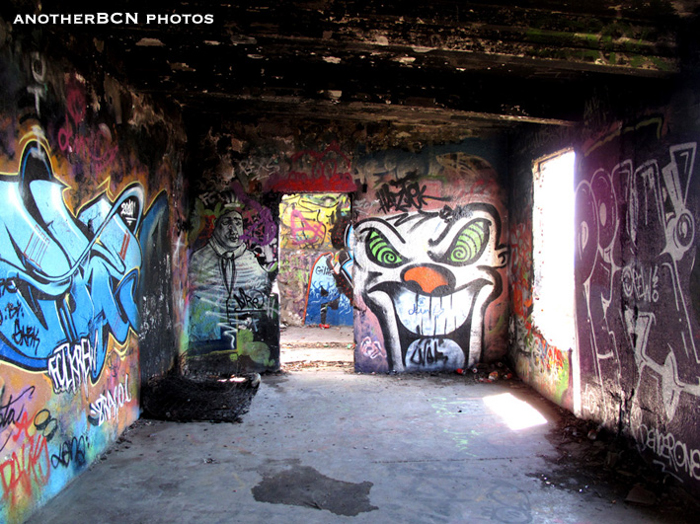
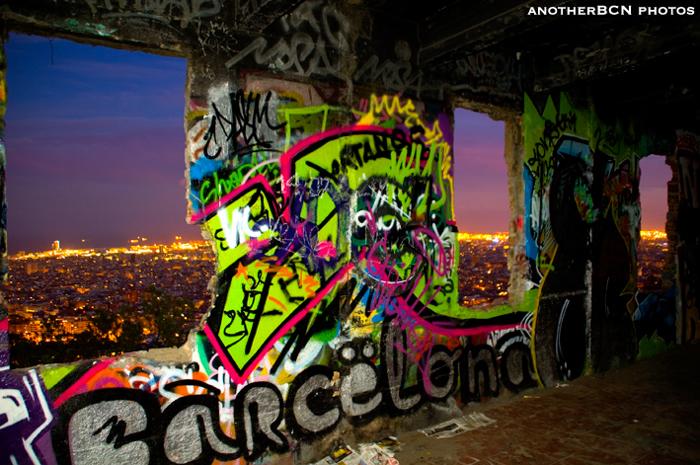
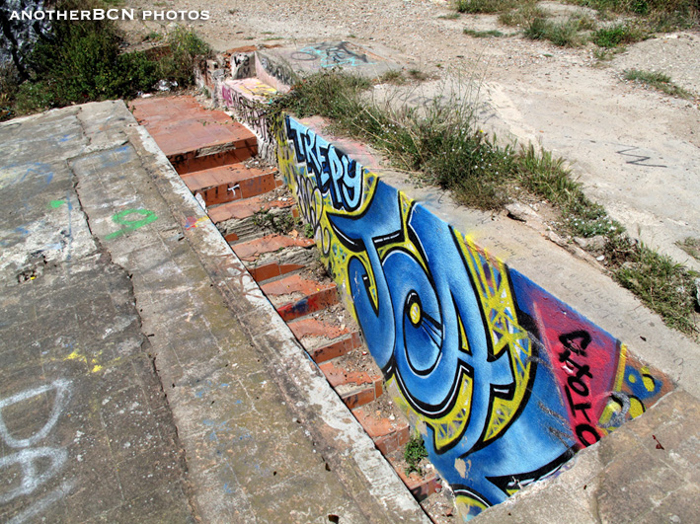
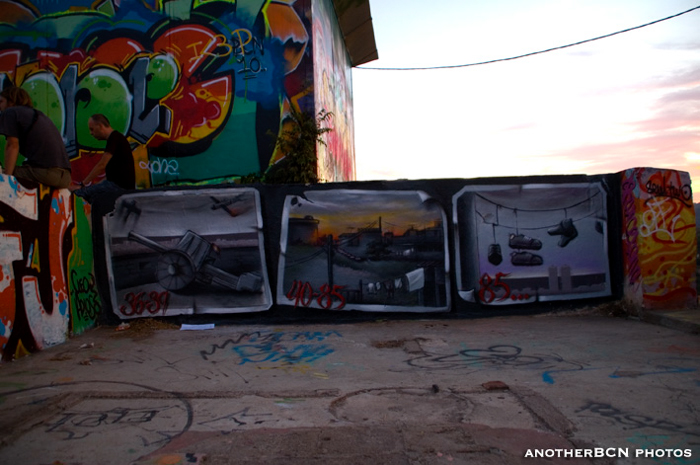
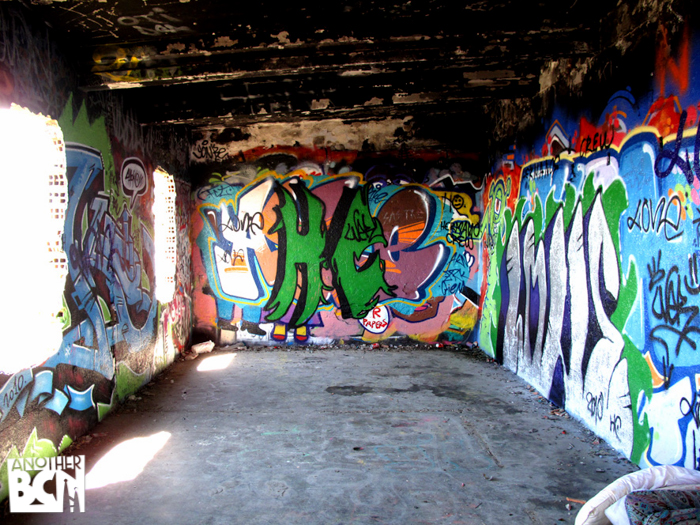
Remains of the rotating gun platforms, small tunnels and roofed-over spaces, plants, rocks, rubbish and graffiti: that’s what the Bunkers del Carmel looked like in 2010.
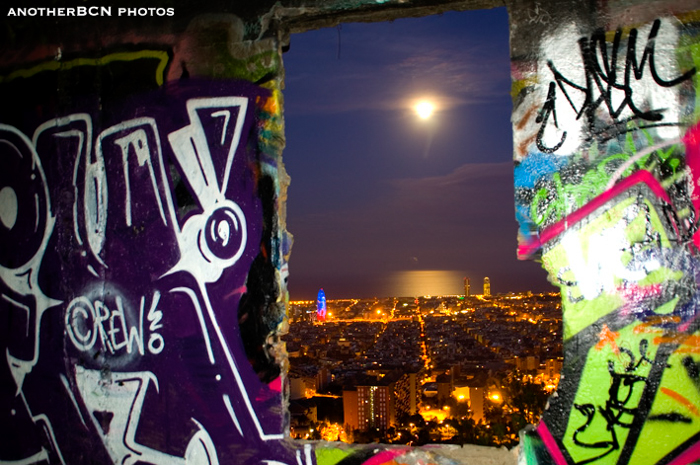
After the war, hundreds of shacks crowded around the battery, forming the barri dels Canons (literally ‘the cannons neighbourhood’), home to construction workers who were building the expanding city, as one of the people who lived there told us. In time they got electricity and water, so people could live in conditions that were at least halfway decent, and some of the little houses in the area started life as those shacks.
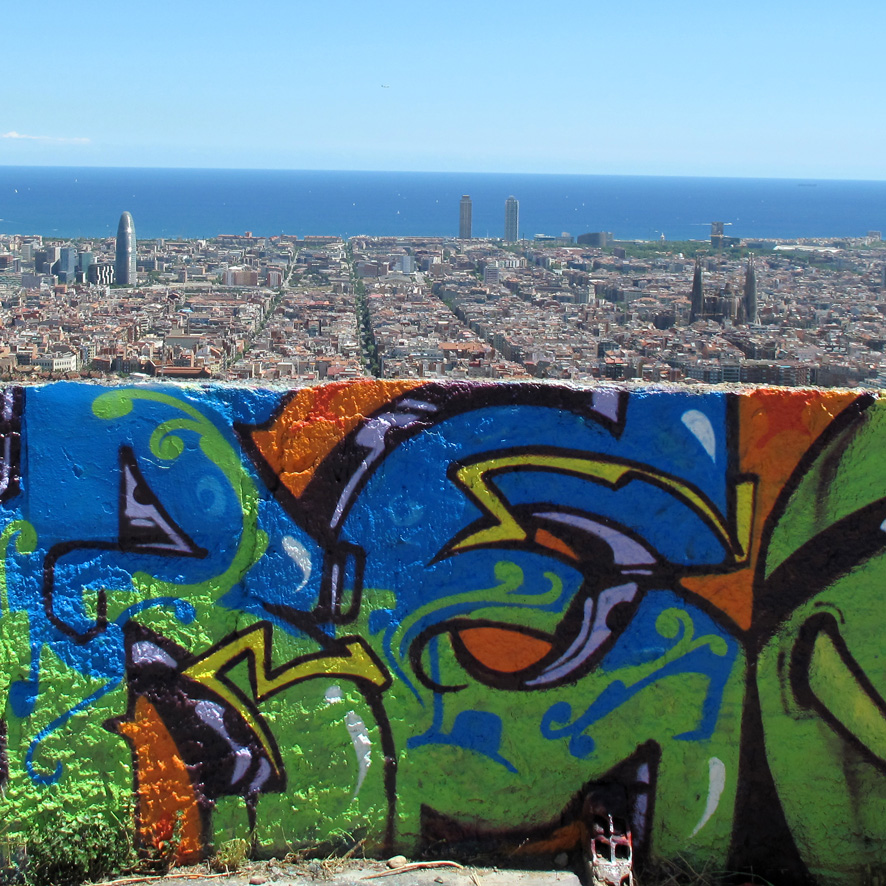
When I wrote this post, in June 2010, it was already clear that the area was going to be redeveloped, and I was hoping they’d manage to keep the place’s ‘wild’ side.
And what it’s like now
Work started soon afterwards, and in 2011 the Turó de la Rovira became one of the sites of the Museu d’Història de Barcelona (MUHBA), the city’s history museum. The batteries were restored, railings went up, part of the area was tarmacked and the tiled floors of the old shacks came to light. In 2012 the project was joint winner of the European Prize for Urban Public Space.
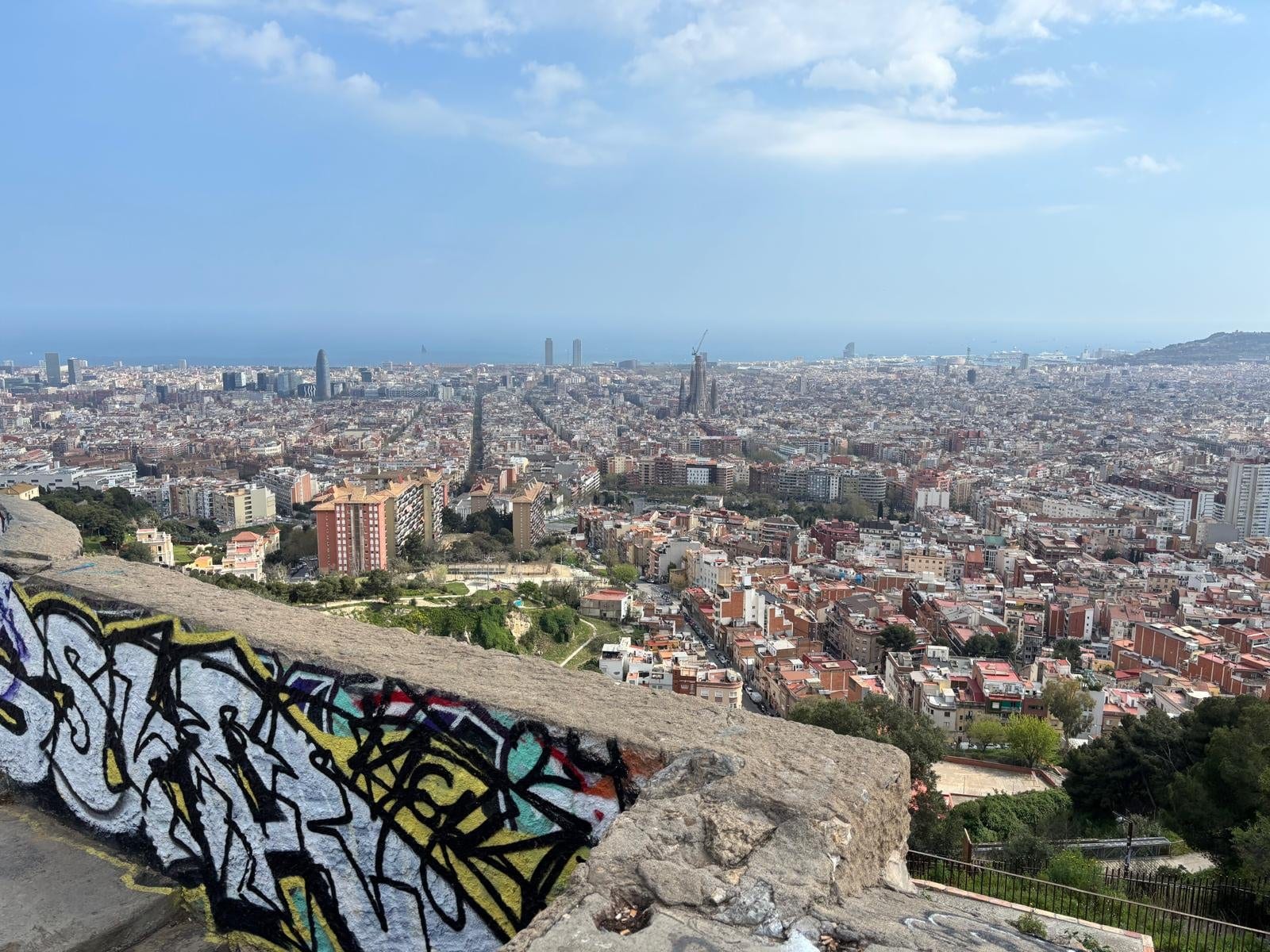
In 2013, once it had been redeveloped, I thought it had ended up rather drab and a lot less wild for those of us lucky enough to have seen it covered in graffiti. Even so, I have to give it credit: they opened up access to spots that used to be impossible to reach.
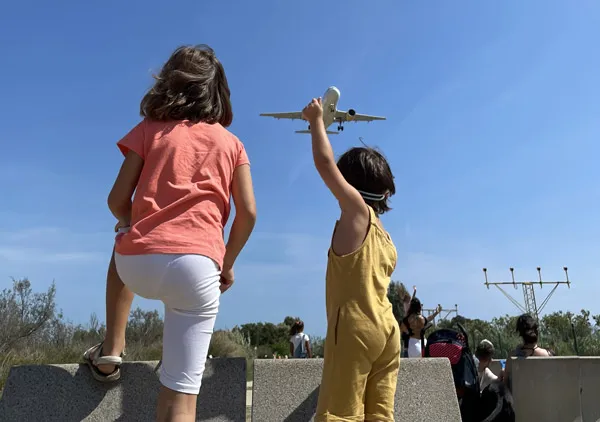
In April 2025 I went back with my children. Some of the ways up are gone, it’s less wild and parts have been concreted over, but it still has its beauty, its history and its 360-degree views of the city.
If you’re interested in wartime Barcelona, the blog also covers the Sant Pere Màrtir bunker, in the Collserola hills, and the city’s air-raid shelters.
Address: Carrer de Marià Labèrnia, s/n, Barcelona
MUHBA site opening hours: October to May, Wednesday, Friday, Saturday and Sunday, 10am–2pm; June to September, Wednesday, Friday, Saturday and Sunday, 4pm–7pm
Website: MUHBA Turó de la Rovira
View on Google Maps
More photos of Barcelona on Facebook, Instagram and X: @anotherbcn