The funeral carriage museum
Over time, as transport technology has evolved, what may seem short distances to us now were long journeys at the start of the 19th century. The cemeteries built outside the city walls were a long way from the city, and from then on the dead were lonelier than ever, since visiting departed relatives meant a pilgrimage of at least an hour on foot. Moving the body was a problem too, so a new profession emerged, the corpse bearers, who until 1935 were in charge of carrying the bodies on foot. After that a new means of transport appeared: the funeral carriage. This new form of transport was met with popular opposition: on the one hand the bearers were left without work; on the other, even the simplest carriage was beyond the means of most of Barcelona’s inhabitants; and finally, for a third reason more deeply rooted in tradition, people rejected any change to the funeral rite. The first carriage to set off for the Poblenou cemetery did so in 1836, causing quite a commotion among the people in the streets. From that year on, this form of transport gradually became part of local custom and evolved over time, taking on technological advances and new styles according to the fashion of the day. Before long, luxurious funeral carriages and coffins became part of the way well-off families, and political power, showed off their status.
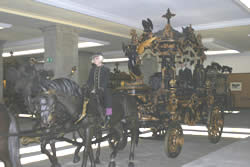
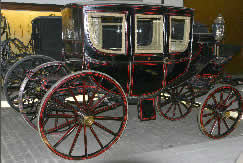
At the Museu de Carrosses Fúnebres de Barcelona (funeral carriage museum) you can see a number of replicas of period hearses and the carriages that accompanied them.
Address: C/Sancho de Ávila 2, 08018 Barcelona
Tel: 934 841 700 / 902 076 902
Opening times: Monday to Friday 10am–1pm and 4pm–6pm / Saturdays and Sundays: 10am–1pm.
View Museu de Carrosses Fúnebres de Barcelona in a larger map
More photos of Barcelona on Instagram: @anotherbcn