Santa Maria del Pi bell tower | Barcelona
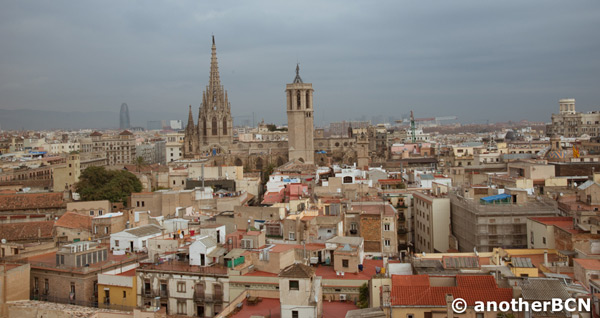
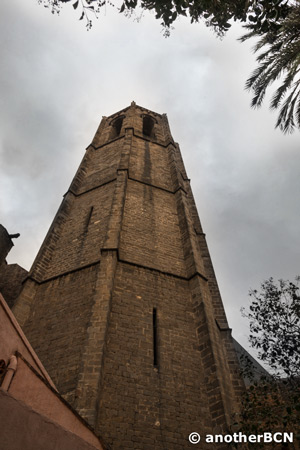 It’s been a while now since the bell tower of Santa Maria del Pi opened to the public: a new viewpoint over the city of Barcelona that can hold its own against any of the city’s other lookout points.
Santa Maria del Pi is one of the Gothic churches of medieval Barcelona and, together with the Cathedral, Santa Maria del Mar and the church of Sant Just i Pastor, one of its places of devotion.
The earliest documented origins of Santa Maria del Pi go back to the 10th century, but the present basilica was begun around 1320. With a single nave covered by thirteen bays of Gothic rib vaulting, and side chapels between the nave’s buttresses, it is a building typical of Catalan Gothic.
The bell tower, which isn’t joined to the church, was begun in the mid-14th century and is a work of real structural and artistic quality. For structural reasons it is divided into three sections, to make it a sturdy structure and spread the weight properly. If you look closely, the weight problem is also solved because each section gets smaller as you climb, something that isn’t obvious from the outside. It was built by three architects, the last of whom was Bartomeu Mas.
Curiously, there was a popular tradition in the Middle Ages that the most important buildings were built with the devil’s help, since they were special, significant buildings that couldn’t have been built by man alone. So it was said that the devil helped the architect on condition that, when the 100th step was laid, the architect handed over his soul. So when the architect reached step 99 of the bell tower, he would stop building it and turn his attention to other parts of the church. Once the architect in charge died, the next one took over and could carry on raising the tower with more steps, because he hadn’t made any deal. The devil, angry at being tricked, would mark step 100 with his foot. And everyone would go looking for the devil’s step, marked with his footprint. According to the church archives, the rector, fed up with people climbing up to see the devil’s footprint, rubbed it out, so today we can no longer see it. 😉
The walls have been left untouched, as they hold the history of the past. During the War of the Spanish Succession the bell tower was used as a shelter. The nuns from the convent of the Discalced Carmelites, afraid that a bomb would fall on them, all moved into the bell tower and took refuge on its first two floors.
In the old days, the bells were cast on the ground floor of the tower and then hoisted up to the top of the bell tower through the opening in the middle of the tower (the central oculus).
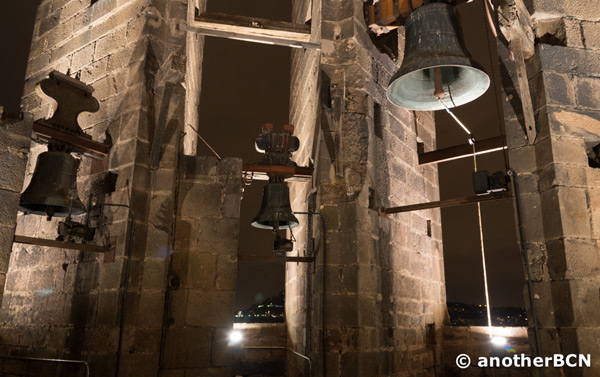
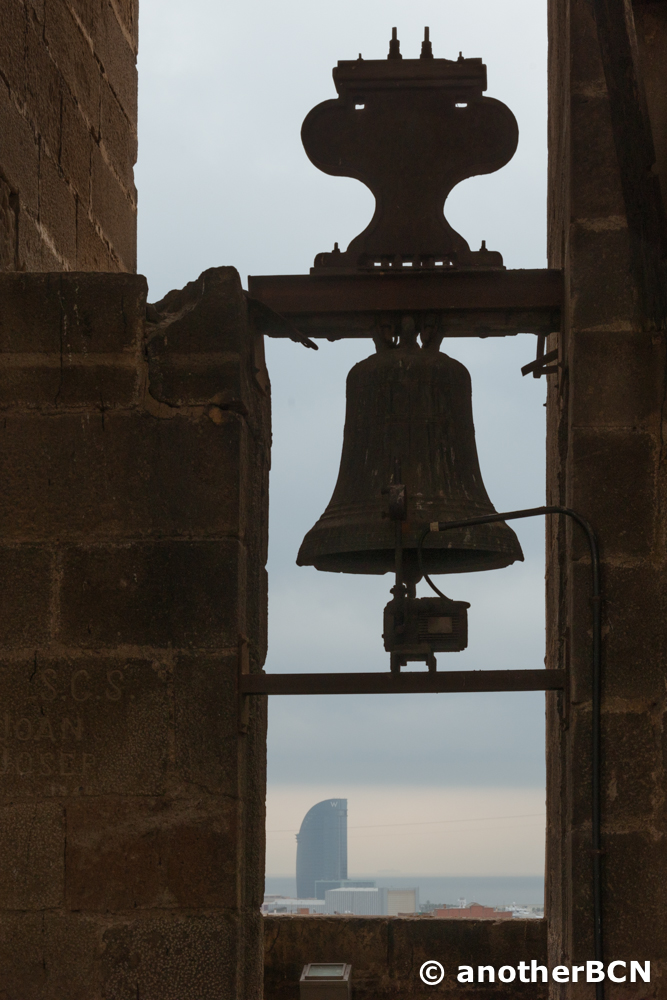
There are currently six bells, all from before the 18th century except the smallest one, which was nicknamed ‘l’Esquirol’ (the squirrel) because it was the smallest and had the highest-pitched sound. They had both a civic and a religious function; in both cases they were warning bells. The largest bell is called Antònia del Pi and originally dates from the 15th century, but it was remade in 1780: it had been condemned to be melted down because it rang during the bombardments of 1714. The parishioners saved it, though (the Honorata, the Cathedral’s bell, wasn’t so lucky: its copper went into making cannons). Then one day Antònia del Pi cracked, so they melted it down and used the same metal to make an identical one.
The bells are called Antònia and Andreua (the largest), Vicenta and Maria (the quarters), Josefa (the hours) and l’Esquirol. Bells were baptised because they were thought to have the voice of God, and so they had godparents who gave them their names.
At the top of the bell tower you can make out some drawings carved into the floor: they’re boards for a double game of noughts and crosses, which the bell ringers played to pass the time between peals. On the walls, too, you can see the names of bell ringers and master builders who wanted to leave their mark for posterity.
For many years it was the tallest building in Barcelona, at 54 m high. Even today, the top of the bell tower offers spectacular views of Barcelona.
There’s also a more experiential visit to the bell tower, which takes place later in the evening. Light, music, scents and colours flood the tower and carry you back in time. To finish, at the top of the bell tower of Santa Maria del Pi you can look out over Barcelona after dark with a drink in your hand. The experience is well worth it. If you fancy it, book in advance.
Duration: 1 hour 30 minutes
Times: Saturdays at 21:30
Price: €25
Tip: wear comfortable shoes.
Phone: 653 997 987
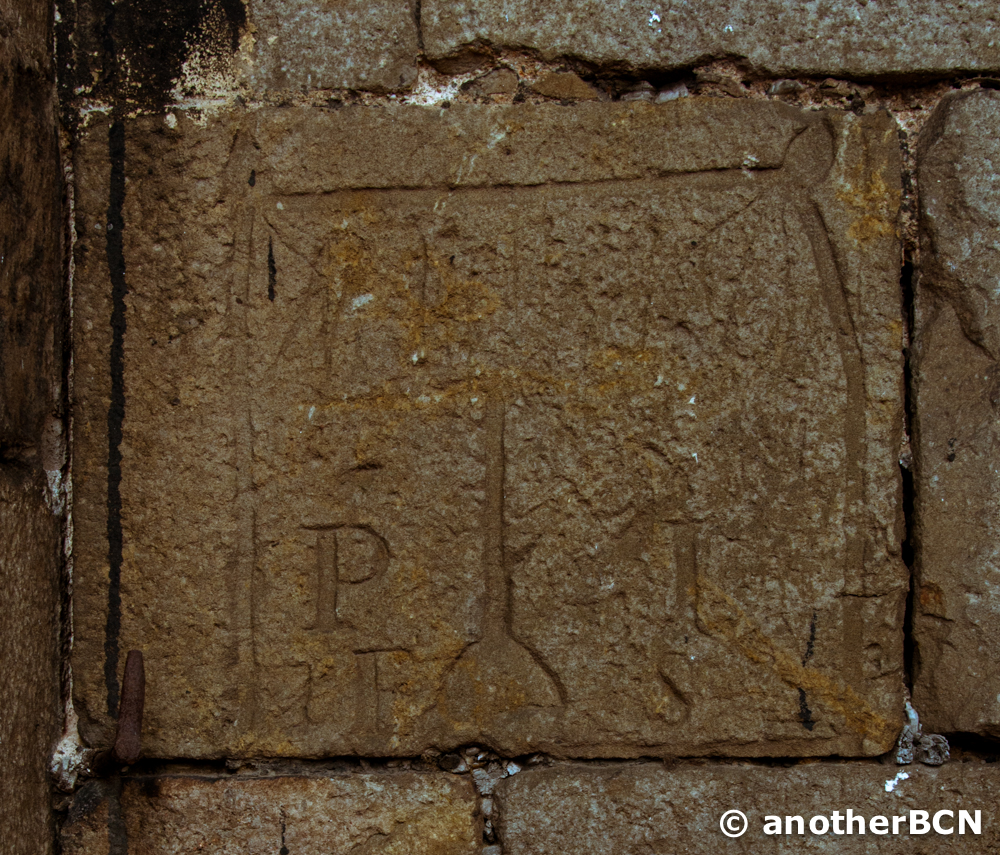
A master builder’s mark at Santa Maria del Pi
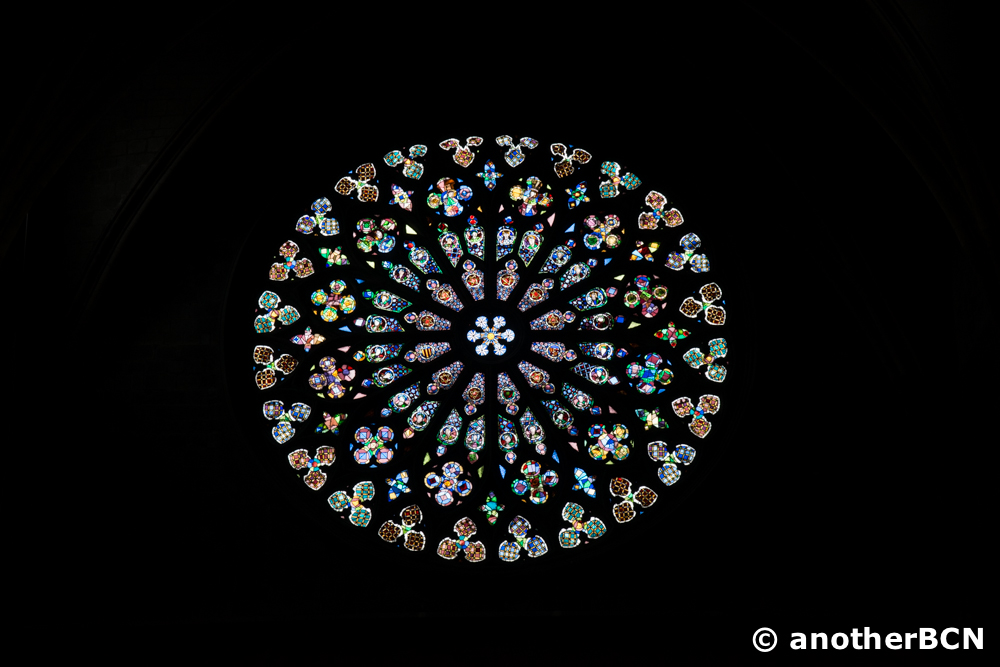
One of the largest rose windows in Europe
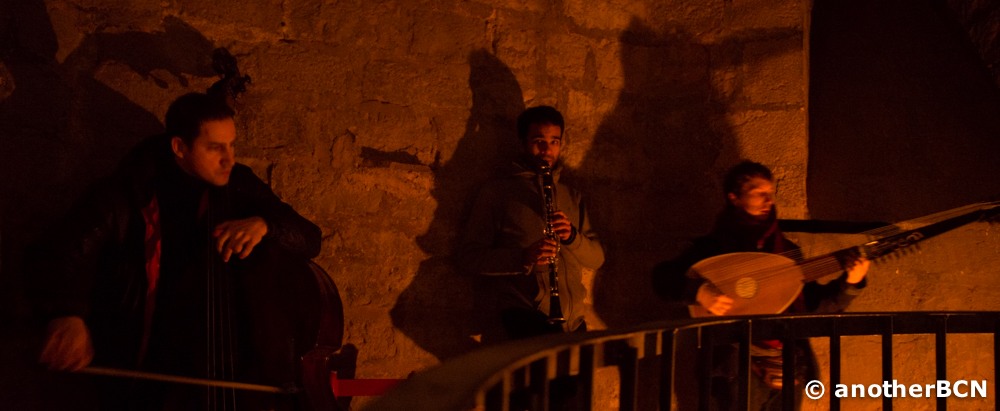
Sensory visit to the Santa Maria del Pi bell tower. Jacob’s Ladder.
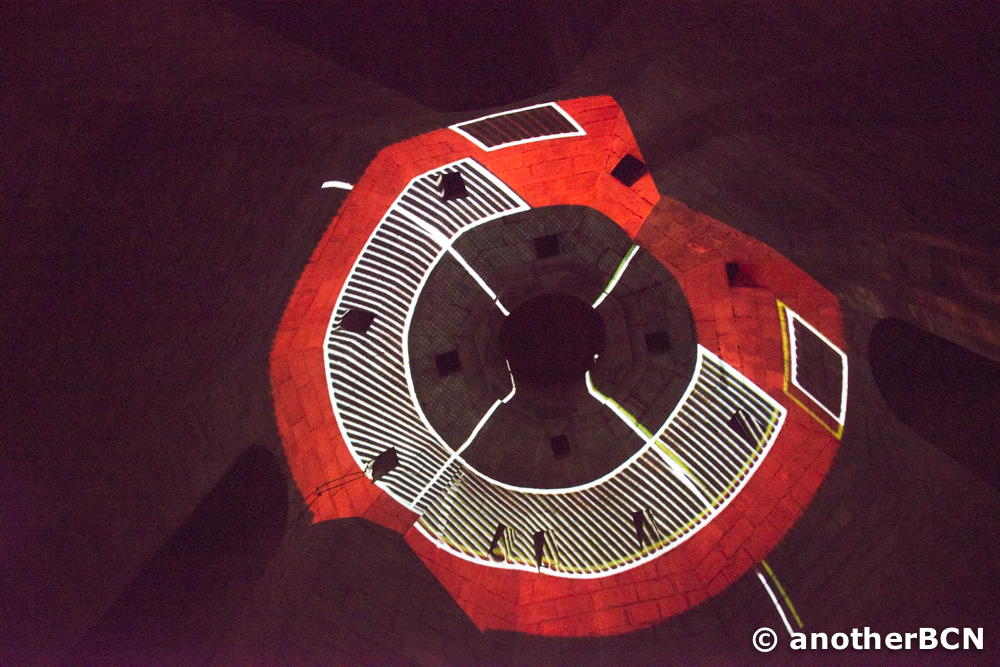
Sensory visit to the Santa Maria del Pi bell tower. Jacob’s Ladder.
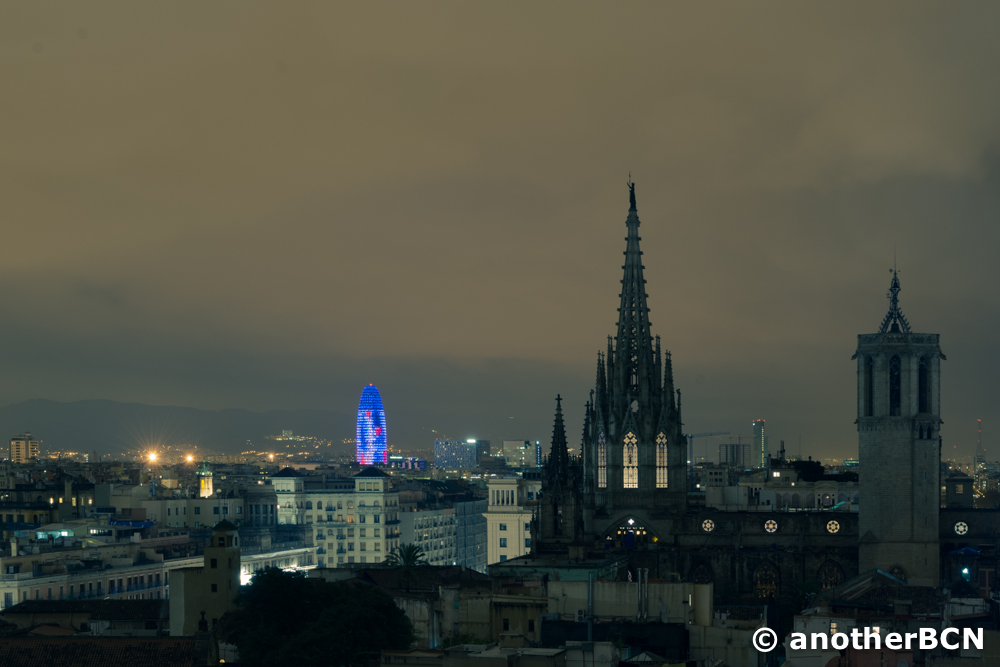
Night views from the bell tower
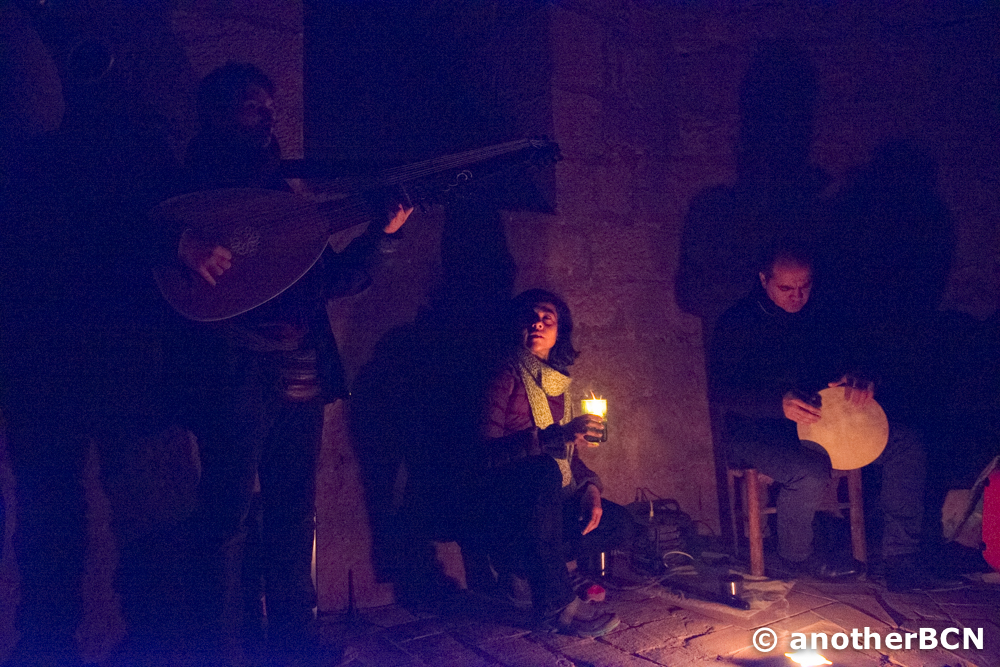
Sensory visit to the Santa Maria del Pi bell tower. Jacob’s Ladder.
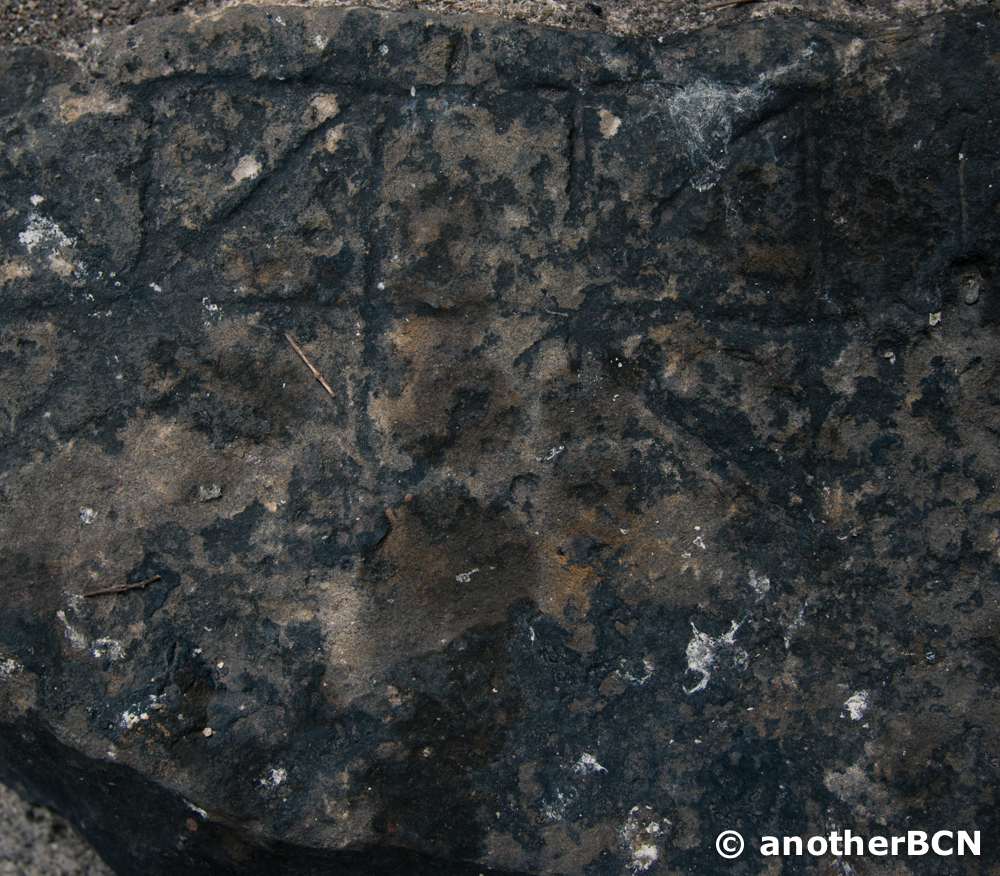
Double noughts and crosses, Santa Maria del Pi
More photos of Barcelona on Instagram: @anotherbcn